
Countdown to Submission Deadline
- 00 DAY
- 00 HRS
- 00 MIN
- 00 SEC
The information about the Keynote Speakers of ICPHMS2026 is as follows, which will be updated regularly.
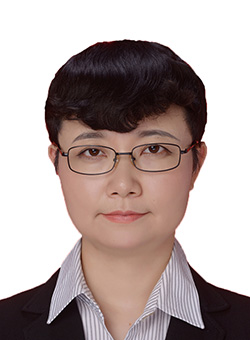
Dr. Dan Sha, Professor
Cancer Center, Shandong Provincial Hospital Affiliated to Shandong First Medical University, Jinan, China
Biography: Dr. Dan Sha, M.D., is a Chief Physician and Master's Supervisor at Shandong Provincial Hospital affiliated to Shandong First Medical University. Her research was conducted in Mayo Clinic and is focusing on gastrointestinal cancer liver metastasis, tumor microenvironment, and organoids. She serves as Vice Chairman of the Oncology Branch of Shandong Medical Association and has published high-impact papers in Cancer Discovery, Annals of Oncology, Lancet Oncology and Clinical Cancer Research.
Topic: Prospective Comparison of Patient-Derived Organoid Drug Screening with Standard Guideline Recommendations for Colorectal Cancer Liver Metastasis
Abstract: Background: Treatment options for colorectal cancer liver metastasis (CRLM) are limited, and resistance to standard regimens remains a major challenge. Patient-derived tumor organoid (PDTO)-based drug sensitivity testing offers a promising strategy to guide personalized therapy. This study aimed to evaluate the accuracy of PDTO drug sensitivity in predicting clinical response to standard treatments in CRLM. Methods: In this prospective observational study, patients with CRLM underwent tumor biopsy for PDTO generation. Established PDTOs underwent drug sensitivity screening against a panel of agents, including chemotherapies (e.g., oxaliplatin, irinotecan, 5-FU, TAS102) and targeted therapies (e.g cetuximab, regorafenib, fruquintinib). Patients concurrently received standard treatments. The primary endpoint was the concordance between PDTO sensitivity and the patient’s objective clinical response. Results: Thirty patients who successfully established 39 organoids were enrolled. Their prior treatment history was as follows: treatment-naïve (n = 14), and failure of first-line (n = 5), second-line (n = 4), third- line (n = 4), fourth-line (n = 2), or fifth-line (n = 1) therapy. Fresh tumor biopsies were obtained from colon (n = 10), rectum (n = 4), liver (n = 21), lung (n = 2), ascites (n = 1), and bone (n = 1). A total of 39 organoids were used for drug sensitivity screening. Of note, organoids were successfully established from both primary colorectal cancers and their paired liver metastasis in 9 patients. The organoids faithfully recapitulated the key characteristics, including pathological morphology, immunohistochemical markers, and mutational profiles, of their original tumors. Overall, PDTO-based prediction of clinical outcome was more accurate for combination regimens (FOLFOX/FOLFIRI) than for monotherapy, which was partly due to the antagonistic treatment interactions (35.5%, 11/31) in combined treatments. For combinations versus monotherapy, the predictive metrics were as follows: accuracy, 79.5% vs 64.1%; sensitivity, 92.3% vs 61.5%; specificity, 73.1% vs 65.4%; positive predictive value (PPV), 63.2% vs 47.1%; and negative predictive value (NPV), 95.0% vs 77.3%. Conclusions: This study confirms the clinical feasibility of biopsy-derived PDTOs and highlights their clinical utility: they not only predict response to combination regimens more accurately than to monotherapy but also provide a high NPV, thereby preventing ineffective treatments and unnecessary toxicity, and guiding precision therapy.
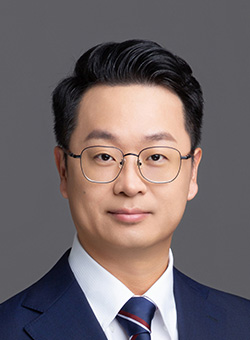
Dr. Kangguang Lin, Professor
School of Medicine, The Chinese University of Hong Kong, Shenzhen, China
Biography: Dr. Kangguang Lin is a Professor at School of Medicine of The Chinese University of Hong Kong. Professor Lin is a psychiatrist and researcher with nearly two decades of clinical and academic experience in mental health, specializing in mood disorders. He holds a PhD in Psychology from the University of Hong Kong. His research integrates clinical translation, digital phenotyping, and health behavior science to improve early detection, identify predictive biomarkers, and develop non?pharmacological interventions for depression and bipolar disorder, particularly among high?risk populations. His work uses innovative approaches, including computational psychiatry and randomized controlled trials, to evaluate emerging treatment strategies such as transcranial direct current stimulation (tDCS), Lycium barbarum polysaccharide, and structured exercise programs. Through this translational research, Professor Lin aims to develop accessible, evidence?based interventions that complement conventional pharmacotherapy and support precision mental health care. Professor Lin has published more than 100 peer?reviewed articles in leading journals, including Nature Mental Health, American Journal of Psychiatry, Biological Psychiatry, JAMA Psychiatry, and Clinical Psychology Review. His research is supported by the Hong Kong Research Grants Council and the National Natural Science Foundation of China.
Topic: Early Biological Pathways to Cognitive Impairment in Familial Risk for Bipolar Disorder: Roles of Neuroinflammation and White Matter Microstructure
Abstract: Background: Neuroinflammation and white matter abnormalities have been increasingly implicated in the pathophysiology of bipolar disorder and its associated cognitive impairments, particularly deficits in information processing speed (IPS). These neurobiological alterations may emerge before the onset of a full-threshold bipolar disorder diagnosis, especially among offspring of parents with bipolar disorder who are at elevated familial risk. However, the pathways linking inflammatory activity, white matter microstructure, and early cognitive changes in at-risk offspring remain insufficiently understood. Objective: This study aimed to examine whether serum interleukin-6 (IL-6), a marker of neuroinflammatory activity, and fractional anisotropy (FA) of the forceps major (FM), a white matter tract connecting bilateral occipital regions, mediate the association between symptomatic risk status and IPS performance in offspring at familial risk for bipolar disorder. Methods: A total of 108 participants were included in the study. Offspring of parents with bipolar disorder were classified into two groups according to clinical presentation: asymptomatic offspring (AO; n = 41) and symptomatic offspring (SO; n = 35). An age-matched healthy control group (HC; n = 32), with no familial risk for bipolar disorder, was also recruited. Serum IL-6 levels were measured as an index of inflammatory activity. IPS performance was assessed using standardized neuropsychological measures. Diffusion tensor imaging was used to quantify FA of the FM as an indicator of white matter microstructural integrity. Group differences in IL-6 levels, FM FA, and IPS performance were examined. Serial mediation analysis was then conducted to determine whether IL-6 and FM FA mediated the relationship between symptomatic status and IPS performance among offspring at familial risk. Results: Compared with asymptomatic offspring, symptomatic offspring showed significantly elevated serum IL-6 levels, reduced FA in the FM, and poorer IPS performance. In contrast, asymptomatic offspring demonstrated relatively preserved FM microstructure and IPS performance comparable to healthy controls. Serial mediation analysis indicated that symptomatic status had a significant total indirect effect on IPS performance through IL-6 and FM FA (β = −3.83, 95% CI [−7.28, −0.84]). This indirect pathway accounted for 42.46% of the total effect, suggesting full mediation. These findings indicate that increased inflammatory activity may be associated with reduced white matter integrity, which in turn contributes to IPS deficits in symptomatic offspring. Conclusion: The present findings suggest that neuroinflammation and forceps major microstructural disruption may jointly mediate cognitive vulnerability in offspring at familial risk for bipolar disorder. Elevated IL-6 and reduced FM FA may represent early neurobiological mechanisms underlying IPS impairment before or during the emergence of clinically significant symptoms. These results highlight the importance of investigating inflammatory and white matter markers as potential targets for early identification, monitoring, and preventive intervention in individuals at risk for bipolar disorder

Dr. Qi Wang, Professor
College of Pharmacy, Harbin Medical University, Harbin, China
Biography: Dr. Wang Qi, Professor, Doctoral Supervisor. Recognized as a High-Level Talent of Heilongjiang Province, recipient of the Heilongjiang Provincial Outstanding Youth Science Fund, and a member of the Provincial Youth Association for Science and Technology. The primary research focus is on the pharmacodynamic material basis of traditional Chinese medicines for treating cognitive disorders via the gut–brain axis. Currently leading 12 national and provincial-level projects, including the General Program of the National Natural Science Foundation of China and the Outstanding Youth Program of the Heilongjiang Provincial Natural Science Foundation. As first/corresponding author, has published over 30 papers in journals such as?Advanced Science?and?Redox Biology. Holds 6 authorized patents. Has received multiple awards, including the First Prize of the Science and Technology Progress Award of the China Association of Chinese Medicine, the Second Prize of the Science and Technology Award of the Chinese Association of Integrative Medicine, and the First Prize of the Science and Technology Award of Traditional Chinese Medicine of Heilongjiang Province. Serves as Assistant Editor-in-Chief of the?Journal of Ethnopharmacology, and as a Youth Editorial Board Member for?iMeta?(IF: 33.2),?Chinese Medicine, and?Chinese Herbal Medicines?(English edition), among others. Holds memberships in several professional organizations: Council Member of the Specialty Committee of Chinese Medicine Chemistry of the World Federation of Chinese Medicine Societies; Council Member of the Specialty Committee of Chinese Medicine and Natural Medicines of the Heilongjiang Pharmaceutical Association; Youth Committee Member of the Specialty Committee of Chinese Medicine and Natural Medicine Pharmacology of the Chinese Pharmacological Society; and Youth Committee Member of the Specialty Committee of Plant Drugs and Medicinal Plants of the Botanical Society of China.
Topic: Mechanism of Short-chain Fatty Acids Targeting MT-ND3 to Promote Mitochondrial Respiratory Chain (MRC) Homeostasis in the Treatment of Diabetic Cognitive Impairment
Abstract: Objective: The pathogenesis of diabetic cognitive impairment (DCI) is closely associated with dysregulation of mitochondrial respiratory chain (MRC) homeostasis; however, the underlying mechanisms remain largely unclear. 2-Hydroxyisobutyric acid (2-HIBA), a novel short-chain fatty acid, has shown therapeutic potential in metabolic disorders. This study aims to investigate a novel mechanism by which 2-HIBA ameliorates DCI. Methods: Multi-omics approaches were employed to screen for differentially expressed active metabolites and related pathways in the serum of DCI model mice. The permeability of 2-HIBA across the blood–brain barrier and the outer mitochondrial membrane was assessed using nanoLC-Orbitrap-MS technology. Behavioral tests, molecular biology assays, and molecular interaction techniques were further applied to elucidate the regulatory mechanisms and to verify the direct binding between 2-HIBA and its potential target. Results: 2-HIBA was found to cross the blood–brain barrier and directly target the mitochondrial protein MT-ND3, upregulating its expression level, maintaining NAD⁺/NADH homeostasis, and restoring MRC function, thereby significantly ameliorating cognitive impairment in db/db mice. Moreover, an agonist of MT-ND3 could mimic these effects, further confirming the pivotal role of MT-ND3 in the treatment of DCI. Conclusion: MT-ND3 represents an important therapeutic target for ameliorating diabetic cognitive impairment. By directly binding to MT-ND3 and restoring MRC function, 2-HIBA provides a novel therapeutic strategy and a potential lead compound for the treatment of DCI.
2026 11th International Conference on Public Health and Medical Sciences (ICPHMS2026) sincerely invites specialists and scholars to join the conferences and become the keynote speakers.
Benefits of Keynote Speakers
1. Attend the conference for free
2. Publish a paper free of charge
3. Free meals during the conference
4. Free one-day tour of Qingdao
5. Official certificate of keynote speaker.
Experts with doctoral degrees and associate professor titles or above will be preferred as keynote speakers. If you are interested in becoming a Keynote Speaker, please make an application either way in the following.
If you only have a primary idea about the keynote speech, you can fill in your personal information in advance.
If you have a clear topic about the keynote speech you would like to deliver, please click here to download the proposal form and submit your application package to keynotespeaker@conference123.net
Your application package should include following documents:
1. A completed proposal form
2. Your curriculum vitae
© Copyright 2015-2026 11th International Conference on Public Health and Medical Sciences - All rights reserved.

 X (formerly Twitter)
 LinkedIn